 Course Duration: 3–5 days, including lecture-based modules, case studies, and hands-on exercises
Who Should Attend: Geologists, Geophysicists, Log and/or Core Analysts, Exploration & Production Managers, and Reservoir Engineers
About the Course:
Understanding unconventional reservoirs, especially oil and gas shales, requires understanding of specialized log analysis techniques, integrated with cuttings, core, and seismic analysis. This course focuses the fundamental tenets of log analysis of unconventional reservoirs, using an integrative approach considering pre-drill analysis, while-drilling analysis, completion, and production. Primary treatment is given to oil and gas shales, but also includes lectures and exercises on fractured basement, laminated sequences, tight gas sandstones, coal bed methane, methane hydrates, CO2 sequestration, and geothermal.
Course Topics:
- Overview of Unconventional Reservoirs
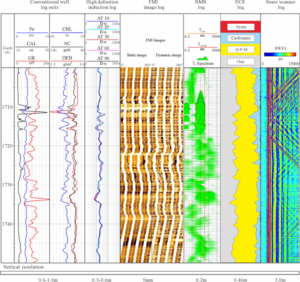
- Petrophysical Tools and Techniques for Unconventional Reservoir Characterization, including Wireline and LWD Logs, Cuttings, Core, and Seismic Datasets
- Shale Characterization, including Clay Typing and Shale Volume, Assessment of Total Organic Content (TOC) and Maturity, and Hydrocarbon Volume and Flow Estimation
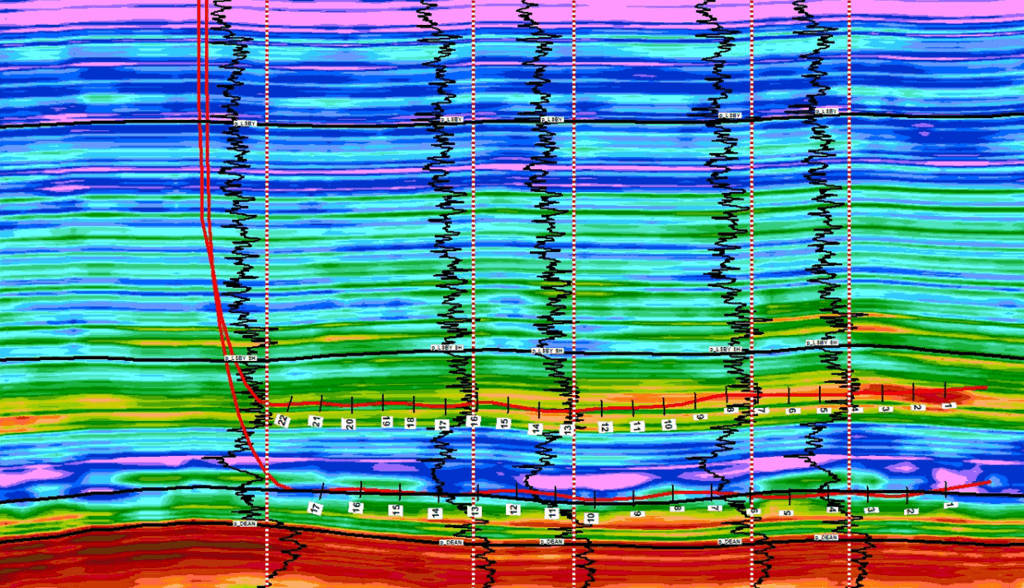
- Geomechanical Analysis and Fracture Stimulation, including Well Trajectory Determination, Well Stability and Reservoir Navigation, Brittleness Determination, and Hydraulic Stimulation
- Additional Unconventional Reservoirs, including Fractured Basement, Laminated Sequences, Tight Gas Sandstones, Coal and Coal Bed Methane, Methane Hydrates, CO2 sequestration, and Geothermal
- Multiple Case Studies and Hands-On Exercises (Interspersed within Lecture/Discussion Topics)
Course Duration: 3–5 days, including lecture-based modules, case studies, and hands-on exercises
Who Should Attend: Geologists, Geophysicists, Log and/or Core Analysts, Exploration & Production Managers, and Reservoir Engineers
About the Course:
Understanding unconventional reservoirs, especially oil and gas shales, requires understanding of specialized log analysis techniques, integrated with cuttings, core, and seismic analysis. This course focuses the fundamental tenets of log analysis of unconventional reservoirs, using an integrative approach considering pre-drill analysis, while-drilling analysis, completion, and production. Primary treatment is given to oil and gas shales, but also includes lectures and exercises on fractured basement, laminated sequences, tight gas sandstones, coal bed methane, methane hydrates, CO2 sequestration, and geothermal.
Course Topics:
- Overview of Unconventional Reservoirs
- Petrophysical Tools and Techniques for Unconventional Reservoir Characterization, including Wireline and LWD Logs, Cuttings, Core, and Seismic Datasets
- Shale Characterization, including Clay Typing and Shale Volume, Assessment of Total Organic Content (TOC) and Maturity, and Hydrocarbon Volume and Flow Estimation
- Geomechanical Analysis and Fracture Stimulation, including Well Trajectory Determination, Well Stability and Reservoir Navigation, Brittleness Determination, and Hydraulic Stimulation
- Additional Unconventional Reservoirs, including Fractured Basement, Laminated Sequences, Tight Gas Sandstones, Coal and Coal Bed Methane, Methane Hydrates, CO2 sequestration, and Geothermal
- Multiple Case Studies and Hands-On Exercises (Interspersed within Lecture/Discussion Topics)